
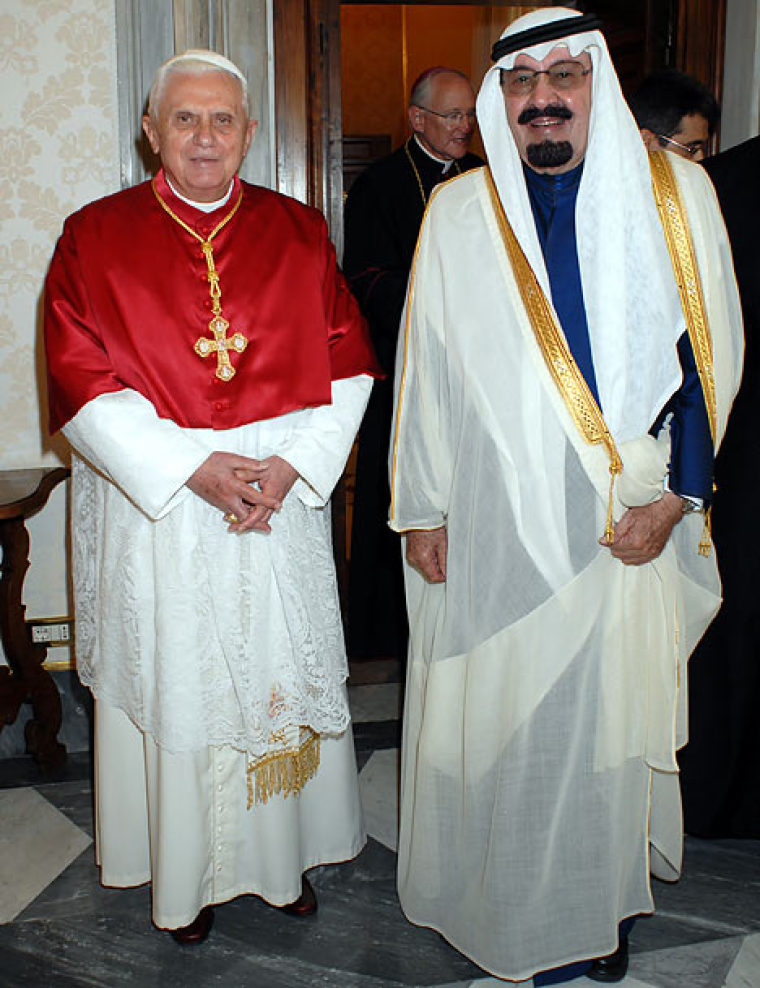
Commenting on the recent approach by both Christianity and Islam to find a common ground, through a letter first initiated by Muslim scholars, Dr. Parker said although common humanitarian issues and ethics could be found, it cannot go much further, given the fact that the differences between the fundamental tenets of Christianity and Islam are too great for any kind of reconciliation.
"There are common humanitarian and ethical issues shared by both," said Dr. Parker, "But I am afraid it does not go very far since the differences between the two (religions) are huge. We certainly ought to treat each with respect, but the interpretation by Muslims of Jesus Christ, Mary, and the prophets is inconsistent with core Christian beliefs."
The fundamental clash between Christians and Muslims lies in the identity of Jesus Christ. To Muslims, Jesus Christ is not the Son of God but merely a teacher. However, to Christians, Jesus Christ is the divine Son of God, who was crucified and is the only way to salvation.
This was echoed by Dr. Parker who said the moment Christians do not focus on Jesus Christ but instead focus on "God", they have lost the very essence of being a Christian. The God we know is the God and Father of our Lord Jesus Christ and we come to him through Christ in the power of the Holy Spirit.
"There is a tendency for some Christians to say we cannot focus on Jesus Christ but to focus on God. The moment you adhere to this notion you are losing the distinctive Christian heritage and to deny it, in essence, means giving up your faith."
Furthermore, he warned about downplaying the concept of the Holy Trinity, where there is one God the Father, the Son, and the Holy Spirit, stating Christians should not have to downgrade their belief in the interest of promoting harmony with other religions.
Muslims reject the idea of the Trinity. He said, "We do not expect people of other faiths to deny their beliefs in the interests of reconciliation, and neither should they expect us to do the same."